Start with the Right Mindset and Roles
Focus on comfort, safety, and sanity (not perfection)
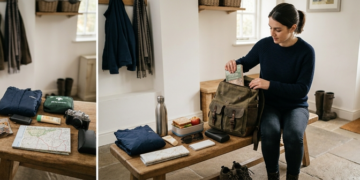
Packing for a long drive can spiral fast: endless lists, trendy gadgets, and a trunk that looks like you’re moving houses. Instead of preparing for every wild “what if,” anchor decisions on three basics: physical comfort, road safety, and everyone’s mental energy. Ask: Will this help keep us fed, warm or cool enough, reasonably clean, and less worried about what we forgot? If not, it probably doesn’t need a spot. That simple filter trims clutter more effectively than copying a giant online list. A lighter load means easier loading, less shuffling at each stop, and a car that feels like a calm base camp instead of a chaotic storage unit.
Accept small hiccups and plan flexible backups
Traffic jams, construction, closed rest areas, sudden rain, or cranky passengers are part of the experience, not signs you failed at planning. Packing with that in mind means including low‑effort backups that buy time and options: snacks that actually satisfy, water for everyone, a warm layer, and basic navigation backups. Think of your vehicle as a tiny moving studio apartment: you won’t have everything, but you can have enough to ride out delays without panic. A written list of key exits or towns and downloaded maps give you confidence if signal disappears, making detours feel like choices, not emergencies.
Assign light “jobs” so one person isn’t doing everything
If you’re not traveling solo, share the mental load from the start. Before packing, decide who’s in charge of what: one person handles directions and phone mount, another owns snacks and drinks, someone else tracks breaks and fuel. Pack to support those roles—charger and mount up front for the navigator, cooler and food containers near the “snack captain,” documents and small cash by the primary driver. Even kids can help with trash or entertainment choices. When everyone has a role, fewer questions get tossed at the driver, and the car runs more like a relaxed team effort than a one‑person show.
Comfort Essentials That Make the Miles Easier
Clothing, temperature control, and small “reset” items
Clothing can make or break your mood on the road. Choose soft, breathable layers over lots of outfits: stretchy pants or shorts, tees that don’t cling, and socks that don’t dig in. Pack at least one easy‑grab layer like a hoodie or zip‑up within arm’s reach, not buried under luggage. Two pairs of shoes help: one solid walking pair and one slip‑on pair for quick restroom or gas stops. A light blanket or oversized scarf lets passengers warm up without blasting the heat. Keep a tiny “reset kit” accessible—a fresh shirt, underwear, and socks—so a coffee spill or surprise downpour doesn’t haunt you for hours.
Seat support, stretch breaks, and body comfort
Even a good seat starts to feel punishing after several hours. A small lumbar pillow or rolled sweatshirt behind the lower back can prevent that creeping stiffness. Drivers should take a minute at the start to adjust seat distance, wheel height, and mirrors, then tweak slightly over time. Passengers benefit from travel pillows, light blankets, and an eye mask if bright sun makes resting hard. Treat movement as part of your packing plan: commit to short stretch breaks every couple of hours—walk a bit, rotate ankles, roll shoulders. Those micro‑breaks keep soreness and grumpiness from silently building until everyone’s miserable.
Freshness, personal care, and real rest on the road
Feeling sticky or grimy can drain your enthusiasm even on a beautiful drive. Build a compact “freshen‑up” pouch for the cabin: wipes, hand sanitizer, tissues, deodorant, lip balm, a small brush, and travel‑size toothpaste and toothbrush. For contact lens wearers or sensitive eyes, tuck in drops and a spare case. Motion‑sickness‑prone travelers should keep remedies—ginger candies, bands, or meds—right up front, not in a buried suitcase. A simple sleep set for off‑duty passengers (earplugs, eye mask, neck pillow) turns catnaps into real rest, which directly supports safer driving and better moods later in the day.
Safety Gear and Paperwork That Buy Peace of Mind
Documents, phone setup, and navigation backups
Boring, but essential: gather your license, insurance proof, and vehicle papers into one slim pouch near the driver’s seat or in the glove box. That single step reduces stress during any stop where you might need them. For navigation, use a sturdy dashboard or vent mount so the phone stays visible without being held. Bring at least one long charging cable up front and a multi‑port adapter if multiple devices will be sharing power. Download offline maps for your route and jot down key exits or town names on paper. Voice guidance and a willing co‑navigator make it easier to keep eyes and attention on the road instead of the screen.
Simple emergency kit, tools, and “just in case” items
Emergency prep doesn’t mean a full garage in the trunk. A realistic kit might include jumper cables or a jump starter, portable tire inflator, tire‑repair product if you don’t have a spare, a basic tool, and a bright flashlight with good batteries. Add a compact first‑aid kit with bandages, wipes, pain relievers, allergy tablets, and any critical personal meds. Helpful extras: work gloves, an old towel or kneeling pad, and reflective triangles or a vest. A small stash of duct tape, zip ties, a multi‑tool, and glass cleaner with a cloth handles many minor annoyances before they become major mood‑killers.
Here’s a quick way to think about what level of emergency prep fits your drive style:
| Driver type / scenario | Helpful setup style | Why it works |
|---|---|---|
| Short, familiar freeway hops | Very compact kit: basic first aid, flashlight, jumper option, simple tire solution | Covers the most common hiccups without eating precious trunk space |
| Multi‑day or remote routes | Full small bin: first aid, inflator, triangles, tools, gloves, blanket, wipes | Adds comfort and backup when services, lighting, and shoulders may be limited |
| Traveling with kids or pets | Standard kit plus extra snacks, cleaning wipes, trash bags, spare clothes | Handles spills, sudden messes, and “we didn’t make it in time” moments with less meltdown |
Weather, visibility, and night‑drive readiness
Weather swings can catch first‑time travelers off guard. A compact umbrella, lightweight rain shell, and a plastic bag or two for wet items go a long way. In cooler conditions, pack simple extras—gloves, hats, and a warm blanket—so an unexpected delay doesn’t mean shivering in the car. A folding windshield shade keeps seats from turning scorching hot during sunny rest stops. For visibility, make sure wiper blades work well, washer fluid is topped up, and a microfiber cloth sits in the door pocket for fogged or smudged glass. Polarized sunglasses reduce glare, and a small flashlight up front helps with maps and seat‑searching at night.
Staying Organized, Entertained, and Un‑Cramped
Zoning the car so everything has a home
Treat the inside of the car like tiny real estate. Divide it into zones: trunk for long‑term items and luggage; back seat for shared gear like snacks, jackets, and day bags; front area as the “cockpit” for navigation, key documents, and driver comfort. Use a small crate or bin to corral emergency gear so it doesn’t roll around. Seat‑back organizers or soft caddies hold wipes, chargers, tissues, and small toys. Pack “by access”: what you’ll touch often stays high and forward, what you rarely need goes low and at the back. A two‑minute tidy at each fuel or bathroom stop keeps chaos from slowly taking over.
Entertainment, quiet time, and mood protection
Long stretches of highway can make even patient people edgy. Audio is the easiest sanity saver: playlists, podcasts, audiobooks, or stand‑up sets help the miles blur gently. Build at least one shared playlist so everyone hears some favorites. For kids or restless passengers, a small tote of offline activities—coloring or puzzle books, cards, fidget toys—goes a long way. If using tablets, pack headphones for each person and a backup power source so devices don’t die right when spirits dip. Balance active fun with quiet periods: pillows, eye masks, and blankets let people nap, which smooths moods and gives the driver more calm time.
To match what you pack to your specific crew, think in simple categories:
| Who’s in the car? | Extra things that usually help |
|---|---|
| Solo driver | Strong audio lineup, seat support, easy snacks, simple stretch‑stop plan |
| Couple or friends | Shared playlist, conversation games, snack variety, clear “who drives when” |
| Family with younger kids | Activity bag, wipes, spare outfits, snacks that don’t stain, kid‑friendly audio |
| Mixed‑age group or relatives | Headphones, flexible stop schedule, light blanket per person, low‑scent freshener |
Space management so the car doesn’t feel like a closet
A car that’s packed to the ceiling feels tiring before you even leave the driveway. Use soft duffels instead of rigid suitcases where possible; they squish into corners and stack better. Try to keep the view out the rear window mostly clear so lane changes and backing up feel comfortable. Pack heavy items low and close to the center—tool kits, drinks, extra shoes—then layer lighter items on top. Lean toward multipurpose things: a blanket that doubles as a picnic mat, a scarf that works as a pillowcase, shoes that handle both walking and casual dinners. Intentionally leave a bit of extra room for jackets, purchases, or gear you pick up along the way.
Q&A
-
What should be on a basic road trip packing checklist for beginners?
A solid checklist includes documents, snacks, water, basic tools, first-aid kit, chargers, navigation tools, layers of clothing, and hygiene items, plus any medications and emergency cash. -
What are the most important first-time road trip tips for a safe drive?
Plan realistic daily mileage, rest every 2–3 hours, share driving if possible, keep fuel above a quarter tank, check weather and traffic, and avoid driving when overly tired. -
Which travel essentials for road trips do people often forget?
Commonly missed are paper maps, spare charging cable, power bank, trash bags, tissues, sunglasses, wet wipes, small flashlight, and a printed list of key contacts and reservations. -
How should I adjust a weekend getaway packing list versus a long road trip?
For a weekend, pack lighter: versatile outfits, mini toiletries, and fewer backups. Long trips need more layers, extra meds, entertainment options, and a more robust emergency kit. -
What car travel preparation steps are crucial before a long drive?
Inspect tires and spare, fluids, brakes, lights, wipers, and AC, update insurance and registration, organize trunk, test roadside assistance contact, and pre-load offline maps and playlists.