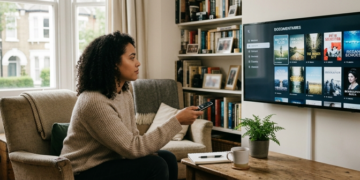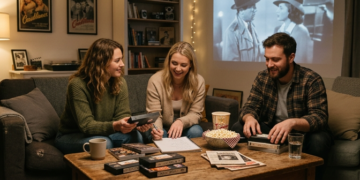
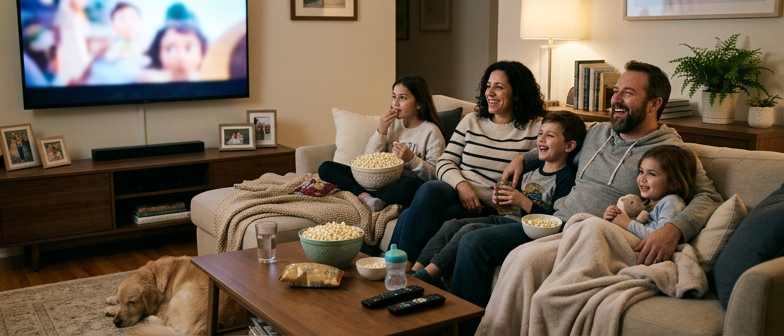
Why Plan a Family Friendly Movie Night
Taking time to plan a family friendly movie night turns casual viewing into a shared ritual everyone can anticipate. Instead of scrolling endlessly and settling for the first suggestion, a simple Family Friendly Movie Selection process helps you choose titles that match different ages, interests, and comfort levels. When you think ahead about Shared Home Viewing Ideas, such as letting each person suggest a film or rotating who picks within agreed guidelines, the evening feels fair and inclusive. This kind of intentional planning also reduces last‑minute disagreements and makes it easier to relax together, because you have already checked that the content and running time work for the whole household.
Planning also supports a relaxed movie night routine without losing sight of healthy habits. By agreeing in advance on when the film starts, what snacks are reasonable, and how long screens will stay on, families can find a comfortable screen time balance that fits their own schedules and values. Younger viewers know what to expect, adults feel more at ease about content and timing, and the focus stays on enjoying each other’s company instead of negotiating rules during the opening credits.
Making Age Appropriate Film Choices
When you are planning a family friendly movie selection, age guidance is a helpful starting point rather than a strict rule. Official rating systems and content labels quickly signal how much violence, language, or mature themes a film might include, but two titles with the same rating can feel very different in tone. Many parents read short, independent content summaries and think about their own child’s personality, sensitivity, and experience before adding a title to a weekend watch list. Younger viewers may be unsettled by intense sound effects or emotional storylines long before anything becomes graphic, so paying attention to mood and pacing can matter as much as the rating printed on the poster.
Thoughtful, age appropriate film choices also support a more comfortable screen time balance and reduce disagreements once everyone has settled in to watch. Before movie night, some families preview trailers, skim reviews that break down themes and on-screen behavior, and then talk together about whether a film fits their values right now. Briefly discussing what children might see or hear prepares them for tricky scenes and signals that questions are welcome afterward. Over time, this calm, open approach teaches kids to think critically about media, helps them express their own genre preferences respectfully, and turns shared home viewing into a relaxed, predictable routine instead of a rushed, last-minute decision.
| Age Group Mix | Key Rating / Review Checks | Content Factors to Weigh | Suggested Decision |
|---|---|---|---|
| Young child only | Family rating plus brief review | Gentle mood, simple themes | Comfortable to approve |
| Young child and tween | Compare rating notes from two sources | Intensity of peril and sound | Favour calmer shared option |
| Tween and teen | Focus on theme explanations in reviews | Emotional depth, social issues | Discuss and decide together |
| Sensitive viewer in mixed ages | Look for flags on frightening scenes | Pacing, loud effects, sadness | Choose milder alternative |
| Wide age spread | Check rating plus audience comments | Balance complexity and comfort | Rotate choices across weeks |
Using Ratings and Reviews as Helpful Guides
Formal rating systems are a practical starting point when you are making age appropriate film choices for a mixed age household. Certification boards and film industry bodies provide standardized labels that signal the general suitability of a title, with short notes on language, violence, and thematic intensity. These summaries help you quickly filter options during family friendly movie selection without having to preview every title yourself.
For a fuller picture, many caregivers rely on detailed content reviews from child focused media organizations and professional associations, which break down scenes, themes, and learning value in clear language. Comparing a few perspectives can show how a movie might land with your particular child, based on temperament, sensitivities, and family values. Treat both ratings and reviews as flexible tools rather than strict rules, and let your knowledge of your family guide the final choice.
Weekend Watch List Planning for the Whole Family
Turning weekend watch list planning into a shared ritual helps everyone feel included and keeps expectations realistic. Instead of picking a film at the last minute, set aside a short time during the week to talk about what people feel like watching. Ask who prefers animation, adventure, comedy, or something calmer, and note any new releases or family favorites. This relaxed approach reduces arguments right before you press play and reinforces that the movie choice is a team decision.
A relaxed movie night routine also depends on agreeing in advance how the evening will unfold. You might decide on one main feature plus a short, or a single film followed by board games or reading, so screen time does not quietly stretch late into the night. Explain that movies are one part of a balanced weekend, alongside outdoor play, chores, and unstructured downtime. When everyone knows there will be chances for other activities, it feels easier to accept limits and maintain a comfortable screen time balance.
Shared home viewing ideas can keep the planning stage fun rather than strict. Rotate who suggests the primary pick and who chooses a backup option, or let younger viewers vote between two age-appropriate films that adults have already screened for content. Some families like to connect the film to a simple themed snack, a craft, or a short conversation afterward about favorite scenes. These small touches turn the watch list into more than a set of titles and make movie time a predictable, low-pressure moment that brings the household together.
Building a Relaxed Movie Night Routine
A relaxed movie night routine starts with light, predictable planning rather than a strict schedule. Look at your weekend watch list earlier in the week so everyone can suggest a title, then agree on a start time that works with bedtime and other plans. Keep things simple: choose one main film, decide if you will watch trailers or extras, and set an approximate end time so children know what to expect. This approach helps screen time feel like a shared activity instead of something rushed or dragged out.
Comfort and balance matter as much as the movie choice. Before you press play, clear a cozy space with enough cushions and blankets, and keep snacks easy so you are not stuck in the kitchen. To keep screen time in balance, silence or put away extra devices and agree that most conversation can happen before or after the film. Over time, these small habits turn a simple family viewing into a calm, dependable routine.
Talking About Genre Preferences and Story Themes
Open conversation about genre preferences is one of the simplest ways to make family movie selection feel fair and enjoyable. Before you build a weekend watch list, ask each person what kinds of stories they usually enjoy, such as animation, gentle comedies, adventure, or documentaries. Younger children might be drawn to bright visuals and straightforward plots, while teens may prefer character‑driven stories or fantasy worlds. When everyone has a chance to speak, it signals that their tastes matter, which can reduce arguments later and make shared home viewing feel more collaborative instead of like a top‑down decision.
Once basic preferences are clear, shift the discussion toward story themes so films stay age appropriate and still feel meaningful. You can talk together about which themes feel comfortable for a relaxed movie night, such as friendship, resilience, or light mystery, and which topics might be too intense for certain ages. This helps your family find overlap between different tastes and build a viewing plan that respects individual limits. By checking in about both genre and theme each time you choose a title, you create a repeatable routine that supports thoughtful, family friendly movie choices without turning movie night into a debate.
Q&A
-
Why plan a family friendly movie night instead of picking something last minute?
Planning turns viewing into a shared ritual. You can check content beforehand, balance ages and tastes, and avoid tired arguments when everyone just wants to relax. -
How can I tell if a movie is suitable for younger kids?
Start with age ratings, then read brief content notes. Think about your child’s sensitivity to loud sound, suspense, and emotional scenes, not only whether anything explicit appears. -
How should we use ratings and reviews when choosing what to watch at home?
Filter by rating first, then scan trusted reviews for language, violence, and themes. From there, build a shortlist and let the family vote from those safer options. -
How can we plan a fair weekend watch list so everyone feels included?
Have a short midweek check‑in, ask what people feel like watching, and rotate who gets final choice. Keep a running list of agreed titles to make decisions faster. -
What keeps a relaxed movie night routine from feeling rushed?
Pick one main film, agree on start and end times, and keep snacks simple. Tell children the plan so they can settle in and switch off other screens afterward.