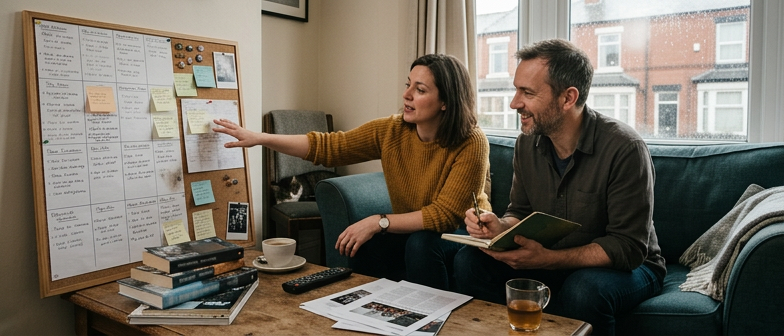
Why Plan a Documentary Watch List for Your Household
Planning a documentary watch list for your household gives structure and intention to the way you use screens together. Instead of scrolling through endless options, you follow a simple plan that reflects what your family cares about, whether that is nature, history, social issues, or the arts. This kind of documentary watch list planning can stay flexible and light, perhaps just a handful of titles for the month and a rough idea of when to watch them. With that small routine, viewing becomes shared learning through film, where adults and children react, ask questions, and link what they see on screen to everyday life.
A planned list also supports a healthier weekend screen time balance. When everyone knows there is a specific film lined up for Friday night or a quiet Sunday afternoon, it becomes easier to say yes to that time together and no to extra, unplanned hours of random viewing. Families can blend entertainment with educational value while still leaving room for breaks, hobbies, and offline activities. Over time, this regular but thoughtful approach sets realistic expectations about when and why screens are used at home, so film becomes one tool among many for learning and relaxing together.
Designing a Family-Friendly Viewing Schedule
A family-friendly documentary schedule starts with being realistic about how much time everyone can focus and what fits around school, work, and bedtime. Instead of leaving viewing to last-minute decisions, choose specific days and times when documentaries are on the calendar, just like any other activity. Some families like a weekly slot in the early evening, when younger children are still alert, while others prefer shorter sessions split across two nights. Building in a few minutes to talk about what you watched helps turn casual viewing into shared learning rather than background noise.
To keep overall screen time in balance, link documentary watching with the media rules you already use at home. On weekdays, many households choose shorter educational pieces and keep them within the same limits they use for games or shows, so documentaries do not quietly extend total viewing. Weekends can be more flexible, but it helps to define a maximum number of viewing blocks and to mix them with offline activities, such as outdoor play or creative projects connected to the film. Planned this way, documentaries become a thoughtful part of weekend media use instead of an open-ended movie marathon.
Scheduling a regular educational film night can make documentaries feel special without turning them into a chore. You might rotate who chooses the topic, matching the theme to what children are learning at school or to current events adults want to explore together. A simple routine, such as a quick introduction before you press play and a short chat afterwards, keeps everyone engaged, including teens who may be selective about family activities. Over time, these small traditions support a predictable viewing rhythm that respects attention spans, protects rest, and still leaves room for spontaneous film choices.
| Household Scenario | Suggested Weekly Pattern | Screen Time Balance Focus | Educational Film Night Style |
|---|---|---|---|
| Family with young children | One early evening session plus one short weekend slot | Short, predictable blocks; strong bedtime protection | Light nature or science picks with very brief chat |
| Mixed ages including teens | One shared night and one optional split session | Clear limits; flexibility for older viewers | Rotating topic chooser with quick post-film discussion |
| Busy weekday schedules | Single weekly session after key tasks | Prioritise rest and homework before viewing | Concise documentary or episode with simple takeaways |
| Weekend-focused viewing | Few defined viewing blocks across two days | Alternate films with offline activities | Themed night linked to outings or home projects |
| Learning-focused household | Two shorter sessions tied to school topics | Moderate screen use with study alignment | Curriculum-related documentaries plus reflection time |
Balancing Screen Time With the Rest of Family Life
A documentary watch list only works if it fits your everyday routines, so first decide how many evenings or weekend slots you can spare for shared viewing. One or two planned sessions a week often support a healthy balance, leaving space for sleep, homework, chores, and free play. Treat documentary night like any other regular activity on the family calendar and place it after key tasks are done, instead of squeezing it in when everyone is already tired.
When you plan a family viewing schedule, match it to your household’s rhythm and your children’s ages. Shorter films or splitting one documentary over two nights can keep younger kids from staying up too late, while older ones may manage a full feature after dinner if they still have wind‑down time. You can also pair film nights with simple offline follow‑ups, so screen time feels like part of a wider pattern of shared learning.
Choosing Topics and Titles for an Educational Film Night
An effective educational film night starts with clear goals for your documentary watch list planning. Decide what you want everyone to gain, such as a stronger understanding of a school subject, insight into another culture, or a closer look at nature. With that purpose in mind, you can build a focused list of documentaries instead of relying on recommendations or last‑minute scrolling, so the evening feels intentional and connected to real interests.
Topic based movie selection works best when you match themes to ages and sensitivities. Younger children benefit from clear storytelling, gentle pacing, and visuals that explain ideas without heavy or frightening content. Tweens and teens can handle more serious subjects, but it is still important to check ratings, content notes, and reviews for language, violence, or disturbing scenes. For mixed ages, you might pair one main feature with a shorter, lighter film so younger viewers stay engaged while older family members explore deeper issues.
To link viewing with everyday life, choose documentaries that relate to current school units, hobbies, or recurring family questions. A science project might connect to a space or wildlife film, while a history assignment can be supported by a documentary on a specific period or event. You can also set a monthly theme, such as environmental stories or biographies, and rotate titles within that focus so planning stays simple and film nights become a regular part of shared learning.
Age Appropriateness, Themes, and Discussion Potential
When planning an educational film night, match each documentary to the age and maturity of your family. Check age ratings, content advisories, and short reviews so you know in advance if there is violence, distressing imagery, or complex social issues. For younger children, favour simple, visually rich films about animals, nature, or everyday science, and keep heavier historical or political stories for teens and adults who can place what they see in context.
Shared learning through film works best when themes are clear and open to conversation. Choose documentaries that invite questions, such as stories told through personal experiences or problem-solving journeys. After viewing, take a few minutes to ask what surprised everyone, what felt confusing, and how the film links to family values or school topics, keeping the tone calm and supportive so children can process difficult ideas while still enjoying time together.
Turning Documentary Nights Into Shared Learning
When you plan an educational film night as part of your regular family viewing schedule, you turn passive watching into shared learning through film. Choose a documentary with a clear, age-appropriate theme, then set simple expectations before you press play: how long you will watch, when you might pause, and any language or images that could come up. A brief check-in, such as asking what everyone already knows about the topic, signals that this is something you will explore together, not just background entertainment in the weekly plan.
After the credits roll, focus on curiosity rather than on getting the right answer. A basic routine works well: ask what people noticed, what surprised them, and what they still wonder about. Older children or teens can each pick one fact or scene to look up later, connecting your documentary night to school subjects like history, science, or social studies. This turns simple family viewing ideas into a flexible learning tool, where each film leads to reading, a bit of research, or a creative response such as drawing a scene or writing a short reflection.
Respecting different reactions keeps documentary nights positive and sustainable. Some family members may feel inspired, others bored, upset, or skeptical about what the filmmaker chose to show. Make space for disagreement with phrases like “I saw it differently” or “This part didn’t work for me, because…”, and model listening without cutting people off. If the topic is heavy, you can follow it with a lighter short clip or a non-screen activity, so educational film nights stay part of a healthy media mix and everyone feels their voice matters when you learn together from a film.
Q&A
-
Why is it worth planning a documentary watch list instead of choosing films at the last minute?
Planning helps you skip endless scrolling and pick titles that match your household’s interests, turning viewing into a simple, intentional routine. -
How can we design a family viewing schedule that actually works on school nights?
Choose one or two predictable early-evening slots, keep films within everyone’s attention span, and add a short chat afterward before bedtime routines. -
What is a practical way to balance weekend screen time with other family activities?
Treat documentary time like any other calendar item, placing it after key tasks and mixing it with outdoor play, reading, or hobbies. -
How should we pick topics and titles for an educational film night with kids and teens?
Start from a clear goal, such as supporting a school subject or exploring nature or culture, then choose age-appropriate films that match those aims. -
What can we do at home to make shared learning through film feel comfortable and engaging?
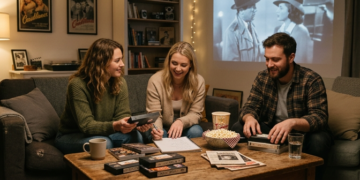
Set up a cozy viewing area with good sound, limit distractions, agree on pause points for questions, and invite everyone to share one takeaway at the end.