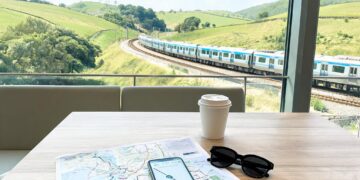

Why Mountain-To-Sea Trips Feel So Good For Remote Work
How Contrasting Landscapes Reset Your Brain
Shifting from pine forests to shoreline in the same trip does something powerful to attention and mood. High-altitude towns, cool air, and quiet streets naturally support deep-focus blocks, long writing sessions, and back-to-back calls. Later in the week, landing near water or on a small island invites softer evenings, slower walks, and easy social time. That contrast keeps days from blurring together. Instead of “just another Tuesday,” your brain gets fresh cues: crisp mornings for concentration, golden-hour light for unwinding. You are not cramming in bucket-list adventures; you are sprinkling tiny, repeatable resets—short walks, porch time, or a dip in the water—around the same tasks you already do.
Micro-Breaks That Make Workdays Feel Less Heavy
The real perk of these journeys is how small outdoor rituals change the weight of a workday. A 20‑minute hike before your first standup, a sandwich on a bench overlooking waves, or ten minutes watching clouds move over ridgelines can soften stress without eating your schedule. When you travel within the same country, there is usually no intense jet lag or major culture shock, so you have more bandwidth to experiment with routines. Deep work in a cabin, admin from a shady patio, calls from a quiet corner near the harbor—over a week or two, those patterns make work feel flexible instead of chaotic, and recovery happens in short, meaningful bursts, not just on weekends.
Choosing US Mountain Towns That Actually Support Your Job
What To Check Before Booking A High-Country Base
Scenic views mean nothing if your video calls keep freezing. In mountain communities, connectivity can flip from excellent to unusable within a few blocks. Guest reviews are your best friend—scan for mentions of upload strength, streaming, or conference platforms. Ask hosts direct questions about wired versus wireless options and whether anyone has worked there full-time. Distance matters too. “Close to town” can still mean a steep drive in snow or winding roads after dark. For a real workweek, being able to walk to a grocery, café, or library can matter more than having the most remote cabin. A compact daily radius reduces friction and keeps your limited free time outdoors, not in the car.
Matching Climate, Season, And Town Culture To Your Work Style
High-elevation winters look magical in photos but can turn every errand into a mini-expedition if you are not used to icy roads or early darkness. Many people find shoulder seasons or warmer months better for blending work blocks with nearby trails. Think about your actual day: do you need quiet early mornings, or do you mostly take evening calls? Pick destinations whose usual daylight and weather fit that rhythm. Town culture matters too. Some places lean toward week-long visitors and close early once sightseeing buses leave. Others quietly host writers, freelancers, and traveling teams for months. Hints like weekly markets, year-round events, or a friendly library often signal a community that works well for longer laptop stays.
Mountain Base Types And Who They Fit
| Mountain base style | Best for work style | Potential trade-offs |
|---|---|---|
| In-town apartment near a small main street | People with lots of calls who need walkable lunches and quick errands | Less “cabin in the woods” feeling, a bit more background noise |
| Edge-of-town cabin with strong internet | Deep-focus work, writers, developers, anyone craving quiet | Need a car or bike, evenings can feel isolated |
| Small lodge or guesthouse with shared lounge | Social extroverts, solo travelers wanting casual connection after work | Less control over noise, shared spaces mean less privacy |
Choosing among these is less about the “prettiest” option and more about which version of mountain life keeps your projects moving while still feeding your sense of calm and curiosity.
Islands And Coastal Towns That Work Beyond Vacation Mode
Preventing “Beach Brain” When You Still Have Deadlines
Sea air, pastel sunsets, and the sound of waves can push you straight into leisure mode. That is lovely—unless you owe three reports by Friday. The trick is designing your environment so water views support, not sabotage, focus. Renting inside or near the main village often brings steadier connections than outlying houses, even if those look more romantic online. Make a clear physical divide: one chair or corner for laptop time, another for reading or daydreaming. You can angle your desk so you glimpse light on the water without staring at it all day. Then, you turn toward the full view during planned breaks, which feels like a reward instead of a constant tug away from work.
Climate, Humidity, And Local Rhythm
Warm, humid air can slow you down. Fans, shade, and plenty of water are not just comfort extras; they determine how long you can sit in meetings without melting. Many people discover they focus best early, then shift to lighter tasks during sticky afternoons. Coastal communities also run on their own clock. Some stay sleepy except for boat traffic; others wake late and buzz well into the night. If noise outside your window clashes with your work calls or sleep schedule, check maps and reviews for bars, music venues, or busy harbor fronts before booking. If you like logging off and walking straight into a lively scene, choose lodging closer to those hubs instead of further out.
Coastal Stay Patterns And Personality Fit
| Coastal base style | Ideal traveler profile | Things to keep in mind |
|---|---|---|
| Quiet harbor neighborhood | Introverts, people on demanding projects, anyone needing deep rest between calls | Restaurants may close early, limited nightlife |
| Central village near cafés and bars | Social workers, people who recharge in busy spaces | Evening noise, need headphones for late meetings |
| Outskirts cottage within biking distance | Balance-seekers who want solitude plus occasional nights out | Weather and hills affect how often you actually bike |
Looking honestly at your energy needs makes it easier to pick a shoreline setting that feels like an everyday home, not just a postcard you never have time to enjoy.
Making Longer Stays Affordable And Sustainable
Thinking Like A Temporary Local Instead Of A Tourist
Longer stays change the math. Eating out every meal, booking constant tours, and switching rentals weekly quickly becomes unsustainable. Stocking a simple kitchen, using neighborhood markets, and building “regular” spots—a go-to café, a favorite takeout window, a familiar walking loop—shift you into local mode. Trails, riverbanks, and public beaches become your default entertainment instead of a long list of paid activities. Weekly or monthly stay discounts, loyalty at one coworking space, and walking or biking instead of driving everywhere all quietly stretch your budget while deepening your relationship with the place.
Pacing Your Energy So Trips Stay Repeatable
Sustainability is not only about money; it is also about nervous-system wear and tear. Constantly moving between towns, jumping on every group outing, and sightseeing after full workdays will eventually catch up to you. Building “boring days” into each stay—work, a simple meal, a short stroll, early bed—keeps burnout at bay. You can also think in personal “seasons.” Maybe one stretch of months is for higher adventure, with more ambitious hikes and long rides; the next is for softer destinations with gentle walks and porch reading. That ebb and flow makes this lifestyle feel like a long-term pattern rather than a once-in-a-lifetime escape you have to squeeze dry.
Keeping A Solid Routine While You Move Between Places
Travel Days, Anchors, And Quick Setups
The easiest way to wreck a promising stay is to pretend travel days are normal workdays. Instead, lower expectations dramatically on those transition days. Block your calendar where possible, save creative or offline tasks for flights and long rides, and pack a small kit: laptop, chargers, headset, notebook, and a backup hotspot if you use one. Once you arrive, do a mini-setup before diving into your inbox. Test video, adjust furniture to avoid glare, choose where you will sit for focus versus relaxation, and plug in everything. Those ten or fifteen minutes tell your body, “this is the office now,” which shortens the time you spend feeling scattered.
Aligning Your Schedule With Each Town’s Rhythm
Different regions within the same country carry distinct daily patterns. High-country communities often favor early mornings and quiet evenings. Waterfront hubs might come alive at sunset. Instead of forcing your home schedule onto every place, let your nonessential tasks flex. In earlier-rising towns, stack deep work before lunch and use bright afternoons for movement. Near the sea, maybe calls happen in the morning, a long midday break serves as your outdoor reset, and an easy task block lands before an evening stroll. As you notice which patterns leave you both productive and relaxed, you can intentionally seek out new destinations that support that rhythm—even as the view out your window keeps changing.
Q&A
-
What makes a US city particularly attractive for remote work travel destinations?
A strong mix of reliable high‑speed internet, walkable neighborhoods, time‑zone alignment with clients, convenient airports, plus lifestyle perks like outdoor activities, culture, and safety makes a city ideal for remote work travel. -
Which digital nomad cities in the USA balance lifestyle and professional networking best?
Cities like Austin, Denver, Portland, and Atlanta offer vibrant tech and creative scenes, plenty of coworking spaces, frequent meetups, and diverse neighborhoods, making it easy to build a network while enjoying music, food, and outdoor recreation. -
How should I choose the best US cities for remote workers based on my job type?
Consider time zone needs, access to specific industries, availability of quiet coworking spaces, and local talent pools; for example, creatives may prefer Brooklyn or Portland, while tech workers might benefit more from Austin, Seattle, or Raleigh. -
What defines truly affordable remote work locations in the USA for long stays?
Look beyond rent to include taxes, transportation, groceries, healthcare, and coworking costs; mid‑sized cities and college towns often offer better value than major coastal hubs while still delivering good infrastructure and community. -
How can I evaluate coworking-friendly travel spots for a productive workation in the United States?
Check the density and reviews of coworking spaces and café work culture, availability of monthly passes, extended‑stay housing, and proximity to gyms, parks, and transit to ensure both productivity and a sustainable long‑stay lifestyle.