Starting With the View as the Main Event
Picking routes that reward a window seat
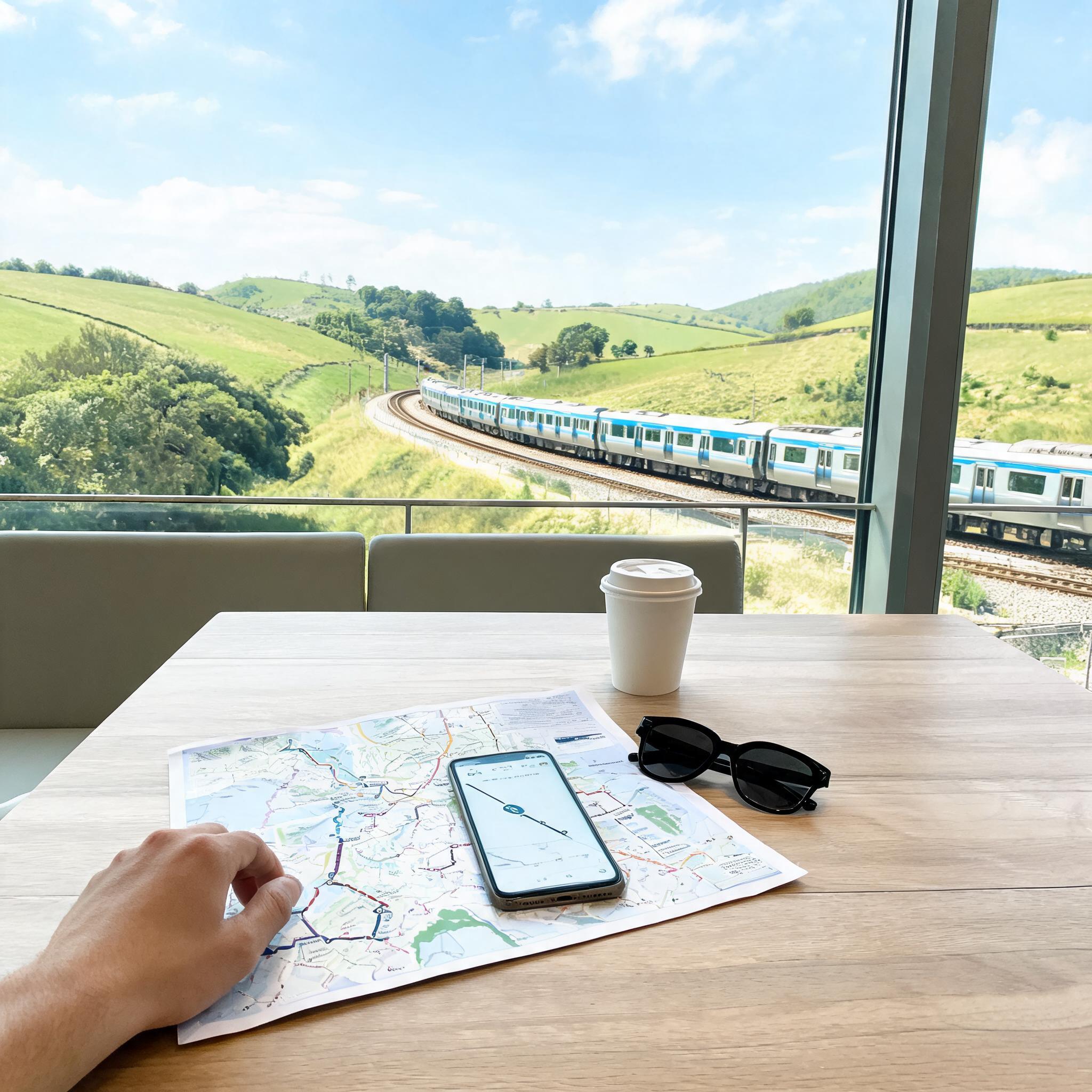
Planning around what you hope to see outside changes almost every decision. Instead of asking how quickly you can reach the next city, the real question becomes which line offers the most satisfying stretch of scenery in daylight. Routes that glide along coasts, rivers, and mountain valleys tend to feel richer when you schedule them for mid‑morning to late afternoon, when shapes and colours are easy to enjoy without harsh glare or deep darkness. For many travellers, one long, continuous daytime leg feels far more relaxing than several short hops, because you have time to settle into the motion of the train and watch the landscape unfold like a slow film.
Choosing the better side and a comfortable direction
On lines that follow one side of a valley, lake, or shore more closely, the side of the carriage can matter. Some people research which direction offers closer views of cliffs, water, or villages, then request a specific side when booking or boarding. Others focus on the path of the sun, trying to avoid several hours with direct light hitting their eyes or reflecting on the glass. Direction of travel matters too: many find it easier on the body to face the way the train is moving, especially over long distances. These details seem small, yet together they do a lot to protect energy and help the day feel peaceful rather than tiring.
Matching time of day to mood and body clock
Different parts of a long line feel best at different hours, depending on your own rhythm. Early risers often enjoy starting in soft morning light, when towns are waking up and mist still hangs over fields. Night owls may prefer a relaxed departure closer to midday, with the most dramatic segments placed after coffee and breakfast rather than at dawn. Thinking honestly about when you usually feel most alert, when you get hungry, and when you typically get sleepy helps shape a day that fits your natural pattern. When the timetable respects your body, it is much easier to treat the journey as a gentle experience instead of something to endure.
Packing for Easy Movement and Compact Spaces
Light bags for narrow aisles and small cabins
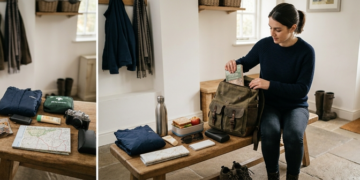
Rail interiors reward soft, flexible luggage more than big hard cases. A compact backpack or duffel that you can lift into an overhead rack without strain keeps boarding simple and avoids blocking the aisle. Dividing belongings into one main bag plus a slim personal bag works well: the main piece holds spare clothes and items you will not touch on board, while the smaller one carries documents, devices, snacks, and a layer for warmth. Before leaving home, testing whether you can comfortably walk up a flight of stairs with everything you plan to bring is a good reality check; if it feels like a workout, consider trimming down.
A small “seat‑side kit” for comfort
The bag that actually shapes the mood of the day is the one by your feet. Packing a simple kit means you are not constantly rummaging above your head or opening the luggage rack. Useful items include a light scarf or jumper, refillable water bottle, tissues, hand sanitiser, a tiny toiletry pouch, basic medicine, and one or two things to occupy the mind: a book, downloaded podcast episodes, or a notebook. Treat this kit as a portable living room drawer. Anything you do not enjoy standing up for every thirty minutes should probably live there. The goal is to reduce small annoyances so attention can stay on the passing view.
Clothing, food, and little extras that pull their weight
Layers are more effective than bulky single pieces. A simple base layer, breathable shirt, and light outer layer can handle warm carriages, draughty doors, and cool evenings without filling half your bag. For shoes, one sturdy walking pair plus one soft pair for relaxing is usually plenty. Food deserves a little thought as well: non‑messy snacks, a simple sandwich, fruit that travels well, and something slightly special for the most dramatic section of line. A small stash of wipes, a waste bag for wrappers, and offline maps on your phone or tablet round out the essentials without adding much weight.
| Item type | What helps most on board | What often feels like too much |
|---|---|---|
| Luggage | Soft backpack or duffel, easy to lift | Large hard case that dominates the space |
| Clothing | Neutral layers that mix and match | Multiple single‑use outfits |
| Entertainment | Few offline options you actually enjoy | Piles of books and devices “just in case” |
| Snacks & drinks | Simple, tidy, easy to share if you wish | Strong smells, crumbly or messy foods |
This kind of packing keeps the focus on the scene outside while quietly supporting comfort inside.
Transfers, Platforms, and Unhurried Movement
Giving yourself generous, realistic gaps
Changing trains does not have to feel like a race through a maze. A small buffer between services—long enough for a short walk, bathroom break, and a glance at the display boards—protects mood even if one leg runs a little late. Instead of chasing the quickest possible connection, think in terms of how much time you need to move at a normal walking speed, read signs calmly, and still have a few spare minutes. That modest cushion turns a potential sprint into a short intermission, giving the body a chance to reset before settling in again by the window.
Reading station layouts and signs with ease
Many large stations share similar patterns: a central hall, numbered platforms, underpasses or bridges linking them. A quick look at a simple map or photo before travelling can prevent confusion later. On arrival, pause for a moment instead of following the crowd blindly; check the clock, locate your next platform number, and scan for symbols showing stairs, lifts, or ramps. For those carrying luggage or travelling with children, factoring in lifts or gentler routes may matter more than shaving one minute from a walk. Knowing even a little about the layout makes it easier to stay relaxed if announcements mention changes.
Resetting body and mind between trains
Transfers offer a natural break in the day’s rhythm. Using them deliberately can keep the journey feeling fresh. Stepping outside for a breath of air, stretching shoulders and legs, refilling a water bottle, or quietly observing life on the platforms all help mark the end of one chapter and the start of another. A quick mental check—main bag, small bag, anything in hand—reduces the risk of leaving something behind without turning every move into a stressful inventory. When luggage is light and the schedule is forgiving, these pauses become small, pleasant scenes in their own right.
Turning a Seat Into a Moving Living Room
Setting up your little corner
Once in your place by the glass, a few minutes of arranging things can transform the experience. Placing the main bag securely overhead or in a luggage area frees legroom immediately. The smaller bag can slide between your feet or rest by the window side, leaving the aisle clear. Keep warmth layers and entertainment near the top so you are not balancing on tiptoe hunting for them later. Adjust backrest, headrest, and armrests if possible, and check where power outlets and lights are located. That short setup phase pays off over many hours, making the space feel intentional rather than improvised.
Small rituals that give the day a rhythm
Gentle habits keep time from turning into one long blur. Some people like to begin each leg with a short note in a journal about light, weather, or first impressions. Others set an informal pattern—an hour of watching the landscape, then some reading, then simply closing their eyes while listening to music. Treating a favourite snack or hot drink as a tiny celebration during the most scenic stretch can also mark that portion in memory. These rituals do not have to be strict schedules; they simply give shape to the hours so the journey feels rich rather than empty.
Sharing space kindly with fellow travellers
Comfort grows when everyone in a carriage feels considered. Using headphones, keeping voices low, and avoiding spreading belongings onto neighbouring seats all support an easy atmosphere. A brief greeting to someone sharing a table or cabin can make later negotiations about blinds, windows, or lighting much smoother. At night, dimming bright screens, closing doors or curtains softly, and organising bags so others can reach theirs without climbing over yours show quiet respect. That sense of collective care lets people relax deeply, which in turn makes the whole environment calmer and more conducive to enjoying the view.
| Traveller style | Seat‑side habits that work well | Things that may reduce comfort for others |
|---|---|---|
| Quiet observer | Headphones, notebook, soft lighting | Loud calls, bright screens at night |
| Social sharer | Gentle conversation, sharing window tips or snacks | Dominating outlets or space, forced chatter |
| Sleeper on long segments | Eye mask, earplugs, tidy bag placement | Sprawling into shared areas, alarm sounds |
Thinking about your own style ahead of time helps you shape habits that fit both you and the shared space.
Letting Slow Rail Shape the Whole Day
Accepting delays and pauses as part of the experience
Lines that showcase landscapes often move at a measured pace and may pause unexpectedly. Viewing these holds as chances to notice details—a curve in the river, changing clouds, distant farm tracks—rather than as interruptions takes pressure off the clock. Offline entertainment, from downloaded reading to simple games or sketching, bridges longer waits without demanding constant attention. When expectations are set for variation rather than perfection, even grey weather or misty valleys can feel atmospheric instead of disappointing.
Ending the journey gently
How the day finishes colours how it is remembered. Planning to arrive with enough light left to find accommodation calmly, navigate local transport, and unwind makes the return to solid ground much kinder. Choosing a place to stay that does not require another complicated transfer keeps fatigue from overshadowing the glow of the ride. Later that evening, a few minutes revisiting a favourite photo, making a short audio note, or listing small moments—reflections on a lake, a tiny hillside station, children waving at the train—helps anchor the experience. With that, the memory of the day becomes less about distance covered and more about how it felt to sit by the window while the world slid gently past.
Q&A
- How can I start planning a scenic train trip if I don’t know the route yet?
Begin by choosing a region and travel time, then search rail websites or forums for “most scenic routes” there, checking sample photos, daylight hours, train frequency and seat classes before you lock in dates.
- What are practical comfort tips for long rail journeys without overpacking?
Focus on a small comfort kit: neck pillow cover, thin scarf, earplugs, sleep mask, light cardigan and a collapsible water bottle, which together greatly improve comfort while fitting easily in a daypack.
- How do I pick and use a window seat to get the best views?
Check seat maps for direction of travel and window alignment, choose the side with better scenery if known, and keep your window area uncluttered so you can freely switch between watching, photographing and resting.
- What are smart light packing strategies for multi-stop train trips?
Use a soft carry-on backpack with packing cubes, limit shoes to two pairs, choose quick-dry layers, and keep all essentials—documents, chargers, medication, snacks—in one small pouch you can grab instantly during transfers.
- What offline entertainment and slow travel routines work well on trains?
Download podcasts, playlists, maps and ebooks in advance, then build a loose routine: one segment for reading, one for looking out the window, one for journaling and stretching, so the journey itself becomes the main experience.