Why Curating a Documentary Watchlist Matters
Curating a documentary watchlist is more than lining up titles for background noise; it is a way of shaping how you learn, unwind, and reflect at home. When you treat nonfiction film selection as an intentional process, you start to see patterns in the stories, issues, and filmmaking styles that speak to you. This kind of deliberate choice turns passive streaming into a small but meaningful practice of paying attention, helping you balance documentaries that challenge your assumptions with films that simply offer calm, well-told observations about the world.
A thoughtful list also supports a reflective viewing habit and sparks new home cinema ideas. You might group films by topic so you can take short notes on each theme, or rotate between heavier social issues and lighter nature or arts titles to keep your weekend viewing plan sustainable. Organizing your streaming queues with this in mind gives you a clear path through the overwhelming number of options, making it easier to remember what you watched, share suggestions with friends, and return to certain films when you want to revisit their ideas rather than start the selection process from scratch.
Choosing Nonfiction Films with Purpose
Purposeful nonfiction film selection starts with knowing what you want from a documentary before you press play. Decide whether you are seeking clear information, an emotional human story, a new angle on a familiar subject, or a visually rich way to unwind. When your documentary watchlist grows from these intentions, your streaming queue becomes a curated set of titles that respects your curiosity, values, and limited viewing time instead of a random pile of options.
Then look at each film with a few simple checks. Notice who made it, whose voices are included, and how openly it explains its methods, sources, or point of view. Curating your watchlist with purpose does not mean sticking only to heavy or award-winning work; it means choosing films that are honest about their stance, leave space for your own conclusions, and help you keep a healthy mix of topics and tones in your weekend viewing plan.
Finally, link your choices to a reflective viewing habit. After watching, jot brief topic-based notes on what surprised you, what you want to explore further, and how the film sits beside others in your home cinema. Over time, these quick reflections reveal patterns in your nonfiction film selection: themes you revisit, storytelling styles that hold your attention, and areas where you might want to broaden your horizons.
| Selection Checkpoint | What to Look For | When to Be Cautious | Best Fit For |
|---|---|---|---|
| Personal intention | Clear learning or mood goal | Vague reason to watch | Viewers planning a weekend lineup |
| Filmmaker and voices | Transparent team and perspectives | One dominant viewpoint only | Viewers who value diverse stories |
| Openness about methods | Explains sources and approach | Unclear how facts are presented | Curious, research‑minded viewers |
| Balance of tone | Mix of intense and lighter titles | Long streak of heavy topics | People building a sustainable queue |
| Reflective follow‑up | Quick notes after viewing | Clicking straight to the next title | Viewers cultivating a reflective habit |
Balancing Topics, Styles, and Voices
When you curate your documentary watchlist, start by mapping the real-world questions you care about instead of chasing every buzzy release. Shape your nonfiction film selection by pairing heavier investigations into social issues or history with lighter work on food, design, or travel so your weekend viewing feels engaging rather than exhausting. This balance of subjects keeps you curious and turns your streaming queue into a focused, evolving snapshot of your interests.
Then look at how those stories are told and who is telling them to build a more reflective viewing habit. Mix observational films with essay-style documentaries, intimate portraits with archival explorations, and seek out filmmakers from varied regions and communities. Over time, this range of styles and voices makes your personal queue feel intentional, like an ongoing conversation with the world rather than a random pile of titles.
Designing a Weekend Documentary Viewing Plan
A weekend documentary viewing plan works best when it is intentional but flexible. Start from your nonfiction film selection and decide what kind of energy you want on each day. Heavier, issue‑driven titles usually fit earlier, when you can focus, while character‑led or visually soothing films work better in the evening. Consider how long you enjoy sitting in your home cinema space and keep the schedule short enough that watching stays pleasurable instead of turning your documentary watchlist curation into a chore.
After you choose a rough order, tidy up your streaming queue organization so each title is ready when you want it. Group films by theme, region, or tone, then flag one or two as first choices and another as a backup in case your mood changes. Add a brief note on why each film earned a slot, so your weekend viewing plan clearly connects back to the goals of your nonfiction viewing, whether that is learning, studying craft, or sampling new storytelling styles.
To build a reflective viewing habit, leave small gaps between films instead of running them back‑to‑back. Use these breaks to jot topic‑based movie notes in a journal or app, capturing surprises, confusions, and questions you want to follow later. Refresh your home cinema ideas by slightly changing the setup between titles, such as adjusting lighting or sound, so each documentary feels distinct and easier to remember.
Turning Your Streaming Queue into a Curated Series
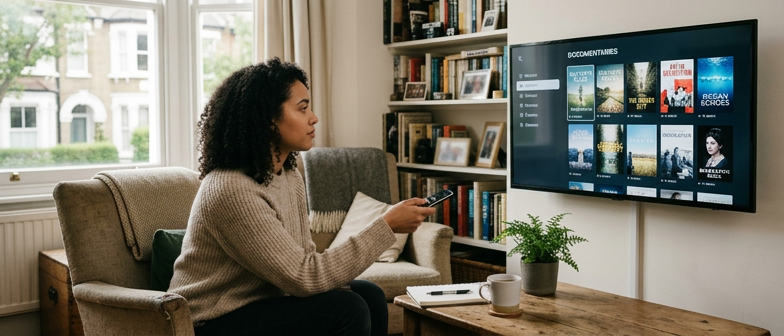
Treat your streaming queue as a rotating film series instead of an endless scroll. Scan what you have saved and group titles into a few loose themes, then design a simple weekend viewing plan, such as a feature on Friday, something shorter on Saturday, and a lighter, visually driven film on Sunday. This brings structure to your nonfiction film selection and transforms passive browsing into a more reflective viewing habit.
To make it feel like a small home cinema, add a bit of ritual to each mini festival. Before you press play, note a couple of questions you want to think about and keep brief topic based notes in a notebook or digital document. This approach to organizing your queue clears out random saves and supports recurring themed weekends that are easy to repeat.
Using Topic-Based Notes to Deepen Your Experience
One way to make your documentary watchlist curation more intentional is to keep notes organized by theme rather than by title. Instead of a separate page for every film, group reflections under recurring subjects such as climate, social justice, technology, or creative work. When you add a new title to your weekend viewing plan, tag it with a main topic and leave a few lines for quick impressions. Over time, this notebook or digital document becomes a map of how different films address the same issue, which guides future nonfiction film selection and helps you see patterns across your streaming queue instead of treating each film as an isolated experience.
These topic-based movie notes also support a more reflective viewing habit. During or after a film, capture one striking detail, one quote, and one question, then file them under the relevant theme. This takes only a few minutes in a simple notes app or spreadsheet and makes it easier to return to ideas when planning your next home cinema night or updating your queue. As your archive grows, you may notice gaps in your documentary watchlist, such as missing perspectives or regions, and use those insights to steer future choices.
Q&A
-
Why curate a documentary watchlist instead of just playing recommendations?
Curation lets your viewing match your interests and mood. You see patterns, learn more steadily, and avoid spending limited time on films that do not matter to you. -
How can I pick nonfiction films with a clear purpose?
Before adding a title, ask what you want: knowledge, an emotional story, a new angle on a topic, or something calming. If it does not serve that goal, leave it off your list. -
What is a simple way to balance topics and styles in my streaming queue?
Pair heavy, issue‑driven films with lighter work about food, design, or travel. Mix investigations with character studies or quiet, visual pieces so viewing stays varied instead of tiring. -
How do I plan a realistic weekend documentary lineup at home?
Choose two or three titles. Watch the most demanding one earlier, then shorter or gentler films. Keep your weekend plan loose so it supports your routine instead of feeling like homework. -
How can topic‑based notes improve my reflective viewing habit?
File notes by themes like climate or technology, not by film. After each viewing, jot brief reactions. Over time, you will see links between titles and refine future selections.