Why Plan a Classic Movie Night
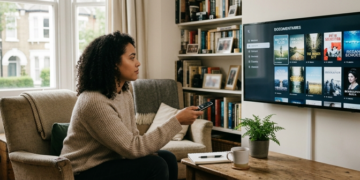
Planning a classic movie night turns a simple streaming choice into a small, reliable tradition. Instead of scrolling endlessly, you bring intention to what you watch, from your timeless film selection to how the room feels and who you invite. Thoughtful classic movie night planning helps different generations connect over shared stories, whether you are watching a black-and-white drama, a golden-age musical, or a much-loved family adventure. By treating it as a relaxed home event rather than a big production, you create space for everyone to talk, unwind, and enjoy the film without pressure.
When you think ahead about family cinema theme ideas and a comfortable viewing schedule, movie night becomes easy to repeat rather than a one-off novelty. Choosing a regular evening, keeping snacks simple, and preparing a cosy seating area make the routine feel familiar and inviting. Over time, people look forward to this scheduled break from busy weeks, knowing there will be a calm atmosphere, a classic title worth watching, and time to chat afterward. Planning is less about strict rules and more about a gentle structure that supports connection and makes it effortless to say, “Let’s watch a great old film tonight.”
Choosing Timeless Films That Everyone Can Enjoy
A relaxed, well-planned classic movie night starts with films that feel welcoming rather than intimidating. When you build your old film watch list, think in terms of mood and energy instead of only chasing important or famous titles. Mix lighter crowd-pleasers with one or two more reflective choices so newcomers to older cinema are not overwhelmed by long runtimes, slow pacing, or unfamiliar storytelling styles. This balance keeps your classic movie night planning flexible enough for regular film fans, casual viewers, and younger family members sharing the same screen.
To keep your selection feeling timeless, look for stories and characters that still make sense in everyday life, even if the film is black and white or uses dated slang. Romance, friendship, adventure, mystery, and gentle comedy usually cross generations smoothly. Pay attention to content and age-appropriateness so the tone fits the group you invite. Simple timeless film selection tips include checking the rating, reading a short synopsis, and watching the trailer when available so you can sense whether the style, humor, and pacing will work for your particular mix of guests before you commit a title to your list.
As your home viewing habit grows, keep your classic picks varied so people want to come back. Rotate genres and decades, from screwball comedies to golden-age musicals and early thrillers, and give your group a say when updating the schedule. You might maintain a shared document where everyone suggests titles, then choose one main feature and a backup option for each gathering. This small routine turns your favorites into an evolving guide for classic movie nights, helping you introduce newcomers gently while still discovering fresh highlights from film history together.
| Watch List Approach | Best For | Viewer Comfort Level | Variety Over Time | Tips To Avoid Overwhelming Newcomers |
|---|---|---|---|---|
| Award‑winner focused | Mixed adults and film‑curious teens | Medium | Medium | Pick shorter classics, avoid very heavy themes |
| Crowd‑pleasing favorites | Families and casual viewers | High | Medium | Lean on light genres, add only one reflective title |
| Director‑focused picks | Regular film fans and hobbyists | Medium to low | High | Start with accessible works, skip slowest titles first |
| Decade or genre rotation | Groups with varied tastes | High | High | Alternate comedy with drama, keep runtimes manageable |
Building a Flexible Old-Film Watch List
Treat your old film watch list like a rotating menu rather than a fixed syllabus. Choose a small core of timeless titles that fit your group’s comfort with classic cinema, mixing reliable crowd-pleasers with one or two more demanding picks. Use simple, timeless film selection tips: change up decades, directors, and countries so your classic choices never feel stuck in one era or style. Limit each cycle of movie nights to a short, manageable set, and keep a separate pool of backups for last-minute swaps when moods, time, or energy shift.
Keep the list flexible by matching films to real schedules and attention levels. Save shorter movies for busy evenings and reserve longer epics for nights when everyone can settle in. Alternate lighter comedies with dramas or thrillers so no one gets worn out by a single tone. After each screening, briefly note what your group enjoyed most and use those reactions to refine the next round, quietly dropping titles that no longer fit.
Setting Up a Comfortable Home Theater Evening
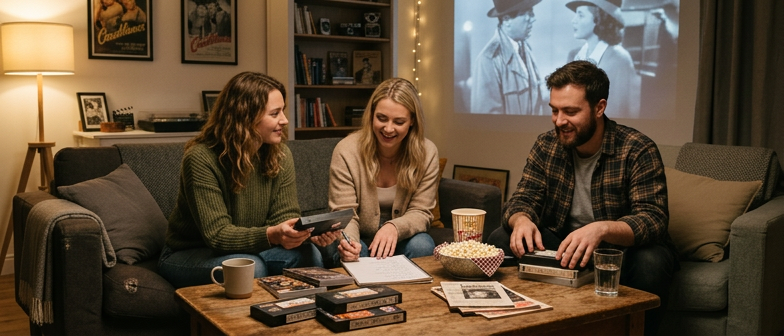
A classic movie night feels special when the viewing space is simple, tidy, and relaxed. Choose the room where you feel most at ease, and place the screen so you can watch without craning your neck. Keep lights dim but not fully off so older black-and-white films stay clear without eye strain; a small lamp behind the screen or soft string lights can create a gentle glow. Even basic speakers work better at ear level, and you can warm the sound by closing curtains or tossing a blanket over hard, echoing surfaces.
Comfort also depends on a viewing schedule you can truly enjoy. For a cozy home theater evening setup, plan one feature film plus a short cartoon, newsreel, or trailer-style clip instead of a full marathon. Build in quick breaks for stretching, refilling drinks, or a brief movie discussion so no one feels stuck in one position. If you are watching with children or older relatives, start the main feature earlier and add an intermission-style pause to echo traditional cinemas while keeping everyone alert.
Details like seating and snacks help turn the night into a family cinema tradition. Layer cushions, blankets, and footstools so people can adjust their posture, and offer both chairs and floor spots to match different needs. You can hint at the film’s era with simple popcorn, classic soft drinks, or homemade snacks instead of elaborate catering. A small routine before pressing play, such as dimming lights together or choosing someone to introduce the film, makes each classic movie night feel like a planned occasion.
Planning a Relaxed Viewing Schedule
A comfortable viewing schedule is central to classic movie night planning because timing shapes how much everyone enjoys the films. Choose a realistic length for the evening based on who is attending; families with young children might pick a single feature after dinner, while adults may prefer one main film with time for conversation. Allow about fifteen minutes at the beginning for settling in, adjusting lighting and sound, and briefly introducing the movie so no one feels rushed or confused.
After you set the start time, decide how many titles fit without turning the night into a marathon. One substantial classic or two shorter films usually keeps the group engaged. Plan short breaks between screenings for stretching, refilling snacks, and a quick movie discussion, and check in about attention spans and next‑day schedules so you can end after the main feature on a relaxed note.
Themes, Traditions, and Discussion Routines
Giving your classic movie nights a loose theme helps everyone know what to expect and makes Classic Movie Night Planning easier over time. Rotate through decades, directors, genres, or family cinema theme ideas such as adventure classics or black‑and‑white comedies. Keep the structure light so it never feels like homework; the goal is to spark curiosity. A simple shared document or notebook can act as an evolving old film watch list, where each person adds titles that fit the next theme, turning film selection into a small ritual that builds anticipation.
To turn each evening into a gentle tradition, keep a comfortable viewing schedule that suits your household and treat it as a recurring ritual, not just another calendar slot. Add small habits such as taking turns giving a short introduction, sharing one fact about the film, or choosing a snack that loosely matches the theme. After the credits, use a simple movie discussion routine: ask what surprised people, which scene stood out, and whether the film still feels relevant today. Over time these calm conversations make your home theater evenings a meaningful, timeless film tradition without adding pressure or formality.
Q&A
-
Why plan a classic movie night instead of just streaming something?
Planning turns watching into a small ritual. It cuts scrolling time, sets a relaxed, shared rhythm, and helps different ages connect over familiar stories and styles. -
How can I pick timeless films for people new to older movies?
Begin with light, popular choices, then add one slower or more reflective title. Look for clear plots, shorter runtimes, and elements like humor, music, or adventure. -
What’s an easy way to keep a flexible watch list of older films?
Choose a few titles for the next nights and keep a larger backup pool. Mix decades, genres, and countries so you can swap based on mood and available time. -
How do I set up a comfortable home cinema space?
Use your coziest room, keep the screen at eye level, dim lights without going fully dark, and add curtains, rugs, or cushions so dialogue stays clear and warm. -
What simple routine works for themes and post‑movie talk?
Rotate themes like specific decades or family adventures, track what you watch in a shared list, and leave 10–15 minutes afterward for casual reactions, not formal analysis.