
Why Curating a Documentary Watchlist Matters
Thoughtful documentary watchlist curation turns random viewing into an intentional learning habit. Instead of scrolling endlessly and settling for whatever autoplay suggests, you make deliberate nonfiction film selections that match your interests, questions, and mood. This approach respects your time and attention, helps you avoid decision fatigue, and keeps your weekend viewing plan from being driven purely by algorithms. When you treat documentaries as a curated part of your media diet, you are more likely to discover varied perspectives, lesser-known filmmakers, and new topics that might not surface in a casual search.
Curation also supports a more reflective viewing habit. By choosing films around themes you care about, noting why each title is in your queue, and leaving room for emotional and intellectual processing, you turn watching into a meaningful personal practice rather than background noise. Over time, this intentional approach makes it easier to recall what you have seen, notice patterns across different works, and connect what appears on screen to your everyday decisions. The goal is not to turn leisure into homework, but to give your home cinema time a quiet structure so that entertainment, insight, and curiosity can coexist comfortably.
Defining Your Documentary Goals and Interests
Before you start any serious documentary watchlist curation, get clear on what you actually want from nonfiction film. Some viewers are looking for structured learning on history, science, or current affairs, while others mainly want mood, atmosphere, and storytelling that feels as gripping as drama. You might be drawn to intimate character portraits, big political ideas, or visually striking nature films. Notice which topics you search for, which trailers you finish, and which films you talk about afterward. This quick self-audit turns a random queue into a more reflective viewing habit, where each title is chosen for a reason instead of just filling an empty evening.
Once you know your aims, you can shape your streaming queue around them and even plan small home cinema ideas that support those goals. If your main interest is understanding social issues, you might group titles by theme and turn them into a weekend viewing plan, pairing heavier films with lighter, more personal stories to keep the experience balanced. If you care more about craft and cinematography, focus your nonfiction film selection on particular directors or styles and keep brief topic based movie notes about what you notice. Being explicit about whether you want comfort, challenge, conversation starters, or background viewing will guide which documentaries you keep, which you skip, and how you return to your list over time.
| Viewer Goal | Suggested Documentary Focus | Watchlist Action | Viewing Note Prompt |
|---|---|---|---|
| Deep learning and insight | History, science, current affairs strands | Group titles into topic clusters | What new perspective did this film offer? |
| Emotional engagement and mood | Character portraits, personal stories | Pair intimate films with lighter pieces | Which moments felt most involving and why? |
| Visual inspiration at home | Cinematography‑driven and nature films | Highlight visually striking titles for home cinema nights | Which images or sequences stood out on screen? |
| Conversation starters with others | Social issue and debate‑oriented docs | Plan weekend pairings on the same theme | What questions would this film spark in a group? |
| Relaxed background viewing | Gentler pacing, episodic nonfiction | Prioritize series and shorter features | Did this work better as focused or ambient viewing? |
Translating Interests into Themed Watchlists
A practical way to start thoughtful documentary watchlist curation is to translate vague interests into small, themed clusters. Instead of saving every nonfiction title that mentions history or science, narrow the focus to concrete angles such as climate stories told through local communities, portraits of working artists, or investigations into everyday technology. As you browse catalogs or streaming menus, keep quick topic-based movie notes in a single document or app, jotting down a title, where it is available, and one short line about why it fits a theme you care about. Over time these light notes make it easier to build focused mini-collections that match your curiosity and shape a viewing plan, without turning your home cinema into a rigid cataloging project.
Building a Practical Weekend Viewing Plan
A practical weekend viewing plan starts with accepting that you cannot watch every documentary in your queue at once. Treat your Documentary Watchlist Curation like planning a short trip: pick a realistic number of titles and decide what kind of experience you want across two or three evenings. One slot might go to a longer, more demanding feature, another to a shorter or stylistically lighter film, and a third to something you can dip in and out of, such as an episodic series. This turns a vague goal to watch more nonfiction into a concrete plan that fits around work, errands, and social time.
To keep your nonfiction film selection balanced rather than exhausting, alternate heavier subjects with more accessible options. If your main pick explores complex political history or an emotionally intense topic, pair it with something centered on creativity, everyday life, or nature. Pay attention to running times and your usual attention span at different points in the weekend; a dense two-hour film often works better early in the evening, while a shorter title suits a late start. Over a few weeks you will see patterns in your viewing choices, which helps you decide when to challenge yourself and when to keep things relaxed.
Integrating a reflective viewing habit turns a simple streaming queue into an ongoing practice. Set aside a few minutes after each film, or at the end of the weekend, to jot down quick impressions: what surprised you, what you questioned, and how the film’s approach to reality compared with others. These topic based movie notes make it easier to remember titles, recommend them to friends, and refine your future plans. Over time, your weekend schedule supports a small home cinema tradition that combines learning, unwinding, and intentional viewing.
Pairing Films for Contrast and Continuity
When you build a weekend viewing plan around documentaries, pairing titles thoughtfully can turn your nonfiction film selection into a curated mini‑festival. One simple strategy is continuity: choose films that explore the same subject from different angles, such as a broad historical overview followed by an intimate character study. Recurring events, locations, or debates then stand out and reveal how different filmmakers interpret the same material.
You can also pair for contrast to keep your attention fresh. Alternate heavier investigative pieces with more observational or visually driven films, or follow a data‑rich documentary with a quieter, reflective portrait. This back‑and‑forth in tone keeps energy balanced while still supporting focused viewing, turning a simple lineup into a deliberate sequence instead of just watching whatever appears next in your streaming queue.
Organizing Your Streaming Queues and Notes
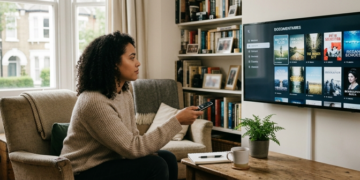
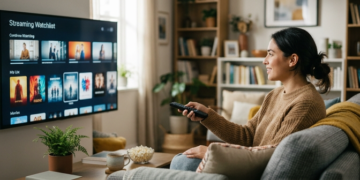
A simple way to bring order to documentary watchlist curation is to treat your streaming queues as working shelves rather than permanent storage. Create loose priority lanes on each platform: titles for this weekend, films for this month, and longer term curiosities. As you add nonfiction films from recommendations or festival lists, drop them into one of these lanes instead of a single overflowing list. This light structure keeps your selection realistic and makes a weekend viewing plan easier to assemble, because you can quickly see what is already at the top of your interests instead of scrolling endlessly.
To avoid losing track of why a title mattered, keep brief, topic based movie notes outside the platforms themselves, in a notes app, document, or paper notebook. Group films by themes such as climate, music, history, or personal stories, and jot down where each one is streaming, who recommended it, and why you added it. Over time, this becomes the backbone of your streaming queue organization, letting you slot in new finds and reorder older picks. It also nudges you toward a more reflective viewing habit, because you revisit your notes when planning what to watch next and start to see patterns in your home cinema ideas and gaps you might want to explore.
Q&A
-
Why should I curate a documentary watchlist instead of just letting the algorithm decide?
Curating your own list turns viewing into intentional learning, reduces decision fatigue, and exposes you to a wider range of nonfiction films than automatic suggestions usually provide. -
How can I define my goals before starting a nonfiction film selection habit?
Note which subjects, storytelling styles, and moods you enjoy most, then decide whether you mainly want deep knowledge, emotional stories, or lighter background viewing. -
What is an easy way to create themed lists from my interests?
Group titles into small clusters, like local climate stories or artist portraits, and keep brief notes on where each film streams and why it fits that theme. -
How do I build a realistic weekend viewing plan for documentaries?
Choose two or three titles in advance, mixing one demanding feature with shorter or lighter options so the plan fits comfortably around your other weekend plans. -
What is a simple system for organizing my streaming queues and movie notes?
Use priority tiers such as “this weekend,” “this month,” and “later,” and store quick comments in one document so you can assemble a home cinema lineup quickly.