Defining Your Movie Night Goals and Guest Experience
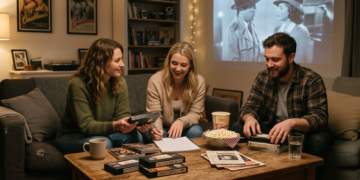
Clarifying the purpose of your movie night before you pick a film or set up your space keeps the experience aligned with what you and your guests need. Some evenings focus on unwinding, others on family time or seeing friends. If the aim is relaxation, familiar, lighthearted movies and a simple home setup are usually enough. For a regular family movie schedule, choose a repeating night and age‑appropriate titles so children and adults know what to expect and can look forward to it. For social gatherings, consider conversation‑friendly films, flexible seating, and a start time that fits common work and school routines so guests are comfortable.
Guest experience depends on who is attending and how the event fits into their day. Age ranges, attention spans, and comfort with different themes shape which movies feel inclusive. Younger viewers often respond better to shorter runtimes and straightforward plots, while adults may enjoy complex stories or slower pacing. Thinking about bedtimes, work shifts, and whether it is a weekday or weekend helps you decide when to start and how structured the evening should be. When your overall goal and audience details are considered together, it becomes easier to choose films and build a movie night routine people want to join again.
Creating a Comfortable Home Cinema Setup
A comfortable home cinema begins with picking a room where you can manage noise and distractions. A living room with doors or a quieter den often works well. Place the TV or projector so the center of the screen sits near eye level when you are seated, and keep enough distance for relaxed viewing. Organize cables, streaming devices, and disc players in a media console or simple box so the space feels tidy when you plan a movie night.
Sound and seating strongly influence how enjoyable the space feels. Even basic stereo speakers or a soundbar can improve dialogue if they are near ear height and angled toward the audience. Avoid placing speakers deep in corners, which can cause echo, and start at a moderate volume so you can adjust during the film. Arrange sofas, chairs, or cushions so everyone has a clear view and enough personal space. Blankets and supportive pillows help people stay comfortable through longer movies without needing specialized theater furniture.
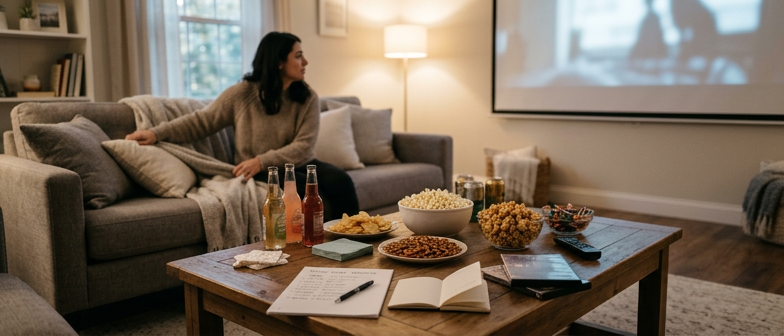
Lighting and small comfort details can make home movie nights feel special while staying practical. Instead of turning off all lights, use dim lamps, floor lights, or string lights to create a soft glow that still lets people see snacks and move safely. Curtains or shades can reduce window glare on the screen. Keep a nearby table or shelf free for drinks and snacks, and refine your setup over time, adding touches like extra pillows, a set place for remotes, or a basket for streaming controllers and disc cases.
| Viewing Scenario | Best For Group Size | Comfort Strengths | Potential Drawbacks | Suggested Adjustments |
|---|---|---|---|---|
| Living room couch with TV | Small to medium groups | Clear screen view, shared seating | Possible noise from nearby areas | Use door, arrange seats for direct sightlines |
| Bedroom TV setup | Solo or pair viewing | Relaxed posture, quiet atmosphere | Limited seating options for guests | Add cushions, small side table for snacks |
| Projector in multi-purpose room | Medium groups and families | Large image, flexible seating layout | Light glare, more setup steps | Use curtains, dim lighting, organize cables |
| Floor seating with cushions | Casual small groups | Flexible arrangement, cozy feel | Lower sightline, less back support | Include supportive pillows, keep screen near eye level |
Balancing Picture, Sound, and Comfort
A comfortable home viewing space starts with how you position the screen. Place the TV or projector so the center of the image is close to eye level when people are seated, and leave enough distance for everyone to see without squinting or turning their heads. Avoid placing the screen directly in front of bright windows or lamps that can cause glare, and use curtains or dimmable lights to create a softer, more cinema‑like atmosphere without making the room unsafe to move around in.
Choosing Movies and Organizing a Watchlist
Movie night runs more smoothly when there is a clear plan for choosing films. Ask everyone to suggest titles in advance and keep a shared list, so selections feel inclusive rather than last minute. Simple guidelines, such as sticking to suitable age ratings or checking content summaries, help mixed‑age groups avoid surprises. Many families rotate who makes the final choice each time, while encouraging compromise when a film does not perfectly match every person’s taste.
To keep viewing varied and fair, some households use a loose rotation of genres or themes. You might alternate between animation, adventure, comedy, and documentaries, or plan nights around holidays and seasons. A basic family movie schedule on a calendar or note can show which evenings are set aside for new releases, nostalgic favorites, or ongoing series, making it easier to avoid repeating the same type of film and to adjust the mix as interests change.
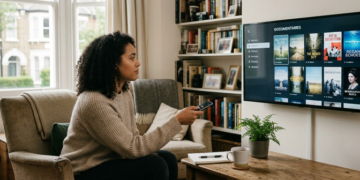
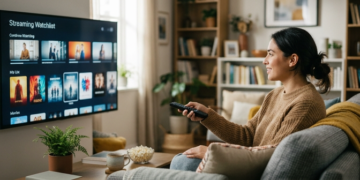
Organizing watchlists across streaming services and physical media supports these plans. On streaming platforms, group titles by genre, age suitability, or who requested them, and move watched items to a separate section so queues stay manageable. For DVDs or Blu‑ray collections, people often file alphabetically or by genre and keep a simple index. The key is being able to scan your digital lists or shelves quickly and find a movie that matches the plan for the night.
Using Genre Rotation to Keep Movie Nights Fresh
Rotating film genres from week to week helps a recurring movie night feel varied and fair. Instead of always choosing the same type of film, families or friends can set a simple schedule that cycles through animation, comedy, drama, action, or documentaries. A shared calendar or note in a streaming app can track which genre is next, and each person can take turns picking a title within that category. This structure reduces arguments over what to watch, gives quieter participants a predictable chance to suggest favorites, and gently encourages everyone to try films they might not select on their own. Over time, the pattern can reveal which genres people enjoy most, making it easier to adjust the family movie schedule, add occasional theme nights, or plan double features that suit the group.
Planning Snacks and Breaks
Thoughtful snack planning helps movie night feel special without distracting from the film. Use a simple checklist that balances salty, sweet, and more filling options, such as popcorn, chips, fruit, and small sandwiches. Include something easy to eat quietly in low light, and choose drinks that reduce spills, like lidded cups or water bottles. Ask guests in advance about allergies, vegetarian or vegan needs, and common restrictions such as gluten or lactose. Preparing individual portions instead of leaving large open bags on the table can limit noise, clutter, and movement while people are watching.
Breaks are easier to manage when they follow the pace of the movie instead of happening at random. For longer films or double features, agree on one or two short intermissions and let everyone know the timing so they can refresh snacks or use the restroom without missing key moments. Try to schedule pauses at natural story transitions rather than intense scenes. Encourage guests to refill drinks, stretch, and throw away trash during these planned breaks, which helps keep the viewing area tidy and reduces distractions once the movie continues.
Q&A
-
How can I set clear goals for a movie night at home?
Decide whether the evening is for quiet relaxation, family bonding, or social time with friends, then pick films, start time, and seating that match that purpose. -
What are simple ways to improve a basic home cinema setup?
Choose a room you can dim and quiet, place the screen near seated eye level, manage cables with a bin or console, and arrange seating so everyone can see comfortably. -
How do families create a fair movie schedule using genre rotation?
Set a repeating night and cycle through genres each week; use a shared calendar, and let different family members choose the film within the scheduled genre. -
What should I include on a snack planning checklist for movie night?
Combine salty, sweet, and more filling options, ask about allergies or dietary needs in advance, and prepare quiet, easy‑to‑handle portions and spill‑resistant drinks. -
How can we encourage post‑movie discussion without making it feel like homework?
After the film, ask a few open questions about favorite scenes, characters, or surprises, keep it brief, and let everyone share or simply listen if they prefer.