Planning Your Train Travel Packing Strategy
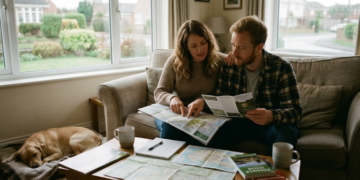
Packing for a train journey starts with understanding how this mode of travel differs from flying or driving. On many routes you carry your own bags, storing them above your seat or at the end of the car, so size and weight affect your comfort even when there is no baggage check. Review the rail operator’s luggage rules, including limits on bag numbers and any size guidance, and think about how far you may need to roll or lift your luggage through stations, up steps, or between platforms. A short daytime ride usually works best with a lighter setup, while long-distance or overnight trips may justify extra clothing, toiletries, and comfort essentials at your seat.
Once you know your route length and onboard services, match your packing list to what you personally use rather than preparing for every possible situation. Identify items that require quick access, such as medications, electronics, snacks, or travel documents, and keep them in a small bag that stays with you, while less urgent things can remain in a larger suitcase or backpack. Consider how often you like to change clothes, possible temperature swings between stations and the train interior, and how much weight you are willing to manage during station transfers. This kind of planning helps you prioritize essentials, avoid duplicates, and separate what you need during the ride from what can stay packed until arrival.
| Trip type | Packing focus | Seat-side essentials | Luggage strategy |
|---|---|---|---|
| Short daytime ride | Minimal clothing changes | Tickets, ID, phone, light snack | Single small bag within easy reach |
| Long-distance daytime | Layers for temperature shifts | Medications, water, entertainment | One main bag plus compact personal item |
| Overnight journey | Sleepwear and basic toiletries | Eye mask, earplugs, travel pillow | Larger bag stored, small night kit kept at seat |
Organizing Luggage for Easy Access Onboard
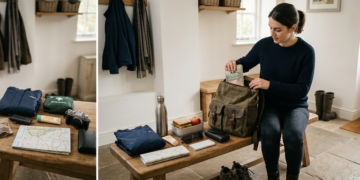
Thoughtful luggage organization starts with choosing a practical mix of bags. Many travelers combine a rolling suitcase for bulkier items with a smaller personal bag that stays at their seat. Structured suitcases help protect fragile belongings in overhead racks, while soft duffel bags slide more easily into narrow shelves at the ends of cars. Pack in layers: items needed only after arrival, such as extra clothing or spare shoes, go in the main suitcase, while day‑to‑day travel necessities stay in the smaller bag kept close by.
After choosing bags, sort your rail journey essentials into simple categories so you can find them quickly on a moving train. Use packing cubes or pouches to separate clothing, toiletries, electronics, and snacks, placing the cubes you are least likely to open at the bottom of the suitcase. In your personal bag, keep travel documents, tickets, and identification together in one pocket or slim pouch so they are easy to reach during checks. Frequently used items, such as hand sanitizer, tissues, and a light layer for warmth, should sit on top instead of under heavier objects.
To keep heavier items secure during the ride, distribute weight evenly and think about how each bag will rest when stored. Place dense objects like shoes or larger toiletry kits at the bottom so they are less likely to shift as the train accelerates or brakes, and avoid stacking weight above fragile or spill‑prone items. When using overhead racks, close all zippers and tuck in straps so nothing catches when bags are moved. For luggage stored at the end of the car, label your suitcase clearly and avoid placing valuables there, keeping important documents, medications, and electronics in the bag that stays at your seat for both convenience and security.
Choosing the Right Bags for Rail Travel
Choose one main bag that fits overhead racks, under-seat spaces, or the area behind your seat, such as a medium rolling case or soft duffel. Soft-sided luggage slides more easily into narrow shelves and crowded aisles, and it should be light enough for you to lift without help when stations lack elevators or when you need to walk along platforms or between trains. Pair this with a smaller backpack or tote that serves as your personal item and keeps essentials within reach during the journey.
Organize the inside of your bags so you can grab what you need without unpacking in a shared carriage or compact compartment. Use packing cubes or separate pockets to divide day clothes, sleepwear, toiletries, and electronics, and choose luggage with secure zippers plus at least one pocket for tickets, identification, and small valuables. Comfortable straps or handles make it easier to carry both pieces together during boarding and station transfers.
Essential Items for Daytime and Overnight Trains
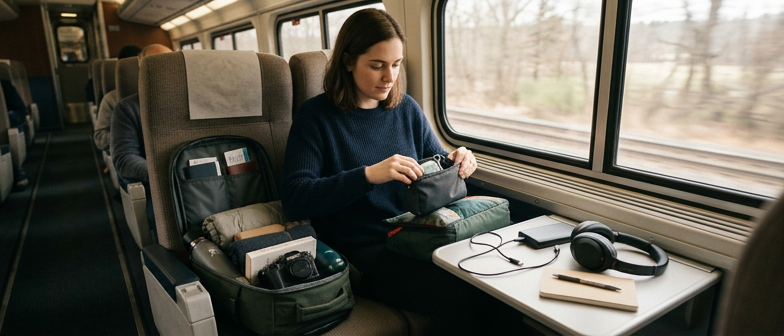
Packing for a rail journey starts with a small set of essentials you can reach without opening your main suitcase. A light jacket or cardigan, scarf, and comfortable layers help you adjust to air conditioning or changing weather between stations. Many travellers keep a compact pouch with wallet, government-issued ID, tickets in print or digital form, and a phone so tickets and payment methods are ready during boarding checks and at station kiosks. A reusable water bottle, simple snacks such as nuts or crackers, and a book or downloaded entertainment can make long stretches between stops more comfortable, while still respecting any onboard rules about outside food and drinks.
On longer or overnight trains, a small personal bag with hygiene items makes shared restrooms easier to use. Travel-size toothpaste and a toothbrush, facial wipes, hand sanitizer, deodorant, and a small pack of tissues fit into a compact kit you can carry to the sink instead of bringing your whole backpack. Earplugs and an eye mask help reduce light and noise from other passengers, announcements, or overhead fixtures. A neck pillow, light blanket, or large shawl can improve comfort, but storage space around your seat or bunk is limited, so it is practical to choose items that compress and to secure them when you leave your place.
Medications and health-related items are best kept in your day bag, not in checked or hard-to-reach luggage, because stored bags may not be accessible during the trip. Regular prescriptions are safer in their original containers with labels in case security or customs staff ask questions, and packing an extra dose or two can help if the train is delayed. Basic pain relievers, motion sickness remedies that are suitable for you, and any personal medical supplies may be helpful, but dosing directions should be followed and medications should not be shared with other passengers. Travellers with complex health needs often plan ahead with healthcare professionals, since onboard assistance and available supplies can be limited.
Onboard Comfort Items for Long Rides
A few small comfort items can make long train rides more pleasant without adding much weight to your luggage. Many travelers bring a compact travel pillow and a light blanket or large scarf to stay comfortable in changing temperatures, since air conditioning and heating levels can vary during the trip. An eye mask and simple earplugs or other non-electronic noise-reducing items help block light and sound if you want to nap, especially on overnight routes where other passengers may move around or use reading lights. If you are sensitive to temperature or have back or neck issues, test these items at home so you know they provide enough support and warmth for several hours of sitting.
Keeping Travel Documents and Valuables Secure
On a train journey, separate items you use often from those that should stay out of sight. Keep your main ID, tickets or rail pass, and one payment card in a slim wallet or pouch that closes fully and sits in an inside pocket or secure bag compartment. Put backup cards, extra cash, and copies of key documents deeper in your luggage in a different place, so you are not exposing everything when you pay or show a ticket. Some travelers try money belts, neck wallets, or under-clothing pouches; these can add a layer of security but are not foolproof and may feel awkward on long trips, so test them in daily use before relying on them.
Simple routines often protect documents and small devices more than any product. In stations and onboard, avoid leaving bags unattended and keep phones, tablets, and e-readers in your hand, in a closed pocket, or attached to your bag. If you sleep or move between cars, loop a strap around your arm or a fixed point without blocking the aisle, so quick theft is less convenient. Use luggage tags with limited personal details, and store sensitive data such as passport numbers or account logins in a secure digital app instead of on paper. It is also helpful to know in advance how to reach your bank and rail operator in case cards are lost or tickets need to be replaced.
Q&A
-
How should packing for a train differ from a flight?
Plan to move bags yourself through stations and onto racks. Check luggage rules, then choose pieces you can roll and lift alone. For short rides, pack light; for longer or overnight journeys, add only what you can comfortably carry. -
How can I organize my luggage for easy access on board?
Use one main suitcase and one small bag at your seat. Keep clothes and rarely used items in the larger bag, and put snacks, a light layer, medications, and simple toiletries in the smaller one so you avoid unpacking everything. -
What should I pack to stay comfortable on an overnight train?
Bring a compact pillow, light blanket or scarf, sleep mask, and earplugs. Add nightwear, travel-sized toiletries, and any medications. Keep these together in a pouch so you can reach them without opening your whole suitcase in shared spaces. -
How do I store travel documents and valuables safely?
Carry your main ID, ticket, and one payment card in a zipped pocket or small pouch you can reach quickly. Keep backup cards, extra cash, and document copies deeper in your luggage, so you are not exposing everything each time you pay or board. -
What should I keep in mind when packing for station transfers?
Expect stairs, crowds, and short transfer times. Aim for one rolling bag and one wearable bag so your hands stay free. Avoid loose straps, keep weight manageable, and keep tickets, phone, and water in an easy-to-reach pocket during transfers.